Water lines
Lead water pipe replacement in Toronto
In a Toronto house from before about 1955, the supply line from the street could well be lead. Replacing it is one of the best upgrades an older Toronto home can get.
or dial (365) 363-3352Answered day and night
- Lead is dull grey and soft, and scratches to shiny silver with a key or coin
- Copper is the colour of a penny where scratched.
- Galvanized steel is grey and hard, and a magnet sticks to it.
A price before we startNothing cut or opened until you say yes.
- Licensed & insureddetails confirmed on the call
- Phones answered 24/7a person, not a queue
- Price before we startcall-out rate on the phone
- Old Toronto & East Yorkhouses, condos, businesses
How to check your pipe
Go to the basement and find the spot where the supply line enters through the foundation, upstream of the meter. Then look closely:
- Lead is dull grey and soft, and scratches to shiny silver with a key or coin. A fridge magnet won’t stick. Joints often look like a bulge rather than a fitting.
- Copper is the colour of a penny where scratched.
- Galvanized steel is grey and hard, and a magnet sticks to it.
Even if the pipe at the meter is copper, a lead section may be buried further along. If you’re unsure, we can check.
Signs you need lead pipe replacement
- Low pressure on every tap
- Rusty water first thing in the morning
- Green or white crust on fittings
- Knocking pipes when a tap shuts
- A grey, soft pipe entering at the meter
Who owns which part
The water service has two parts. Toronto is responsible for the stretch between the main and your lot line, and the homeowner for the stretch from the lot line inward. Doing just one half still leaves lead in contact with your water, so ideally both halves get done. The City has a program for the public side. Call 311 or check toronto.ca for how it works on your street and how to coordinate it with your private-side replacement.
How we replace it
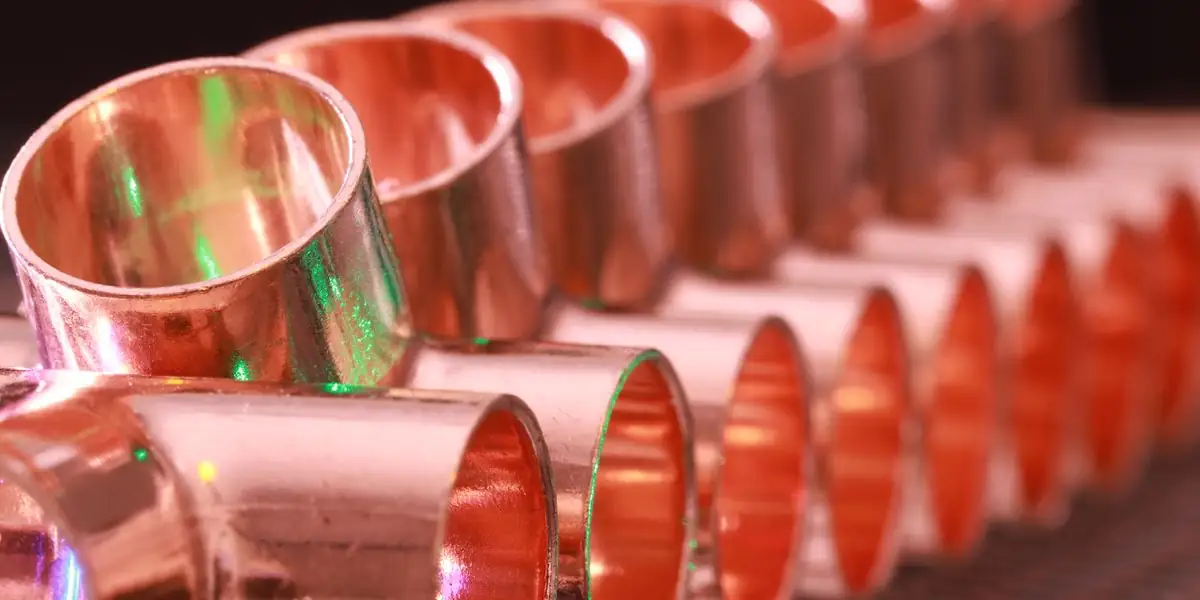
Depending on the site, we either dig a trench from the property line to the house, or use trenchless methods that pull a new pipe through with only small excavations at each end. The new service is usually copper, often a larger size than the old line, which can noticeably improve water pressure in older homes. We replace the main shut-off valve at the same time.
In the meantime
If you have lead pipes, the City’s guidance has included running cold water for a few minutes when it has sat in the pipes for several hours, using only cold water for drinking and cooking, and considering a filter certified to remove lead. Toronto has also offered free lead testing for residents. Check toronto.ca for current advice and testing details.
On the job, step by step
- 1Trace the run
Pipe followed from the meter, material identified at each change.
- 2Isolate the section
Nearest valve closed, line drained at the lowest tap.
- 3Cut and replace
Copper or PEX run in, transitions made with proper fittings.
- 4Gauge it
Pressure gauge on a hose bib, joints watched before walls close.
Questions we get about lead pipe replacement
Does replacing the pipe mean digging up my lawn?
Not always. Trenchless replacement often needs only a small pit at the property line and an opening at the foundation. Some sites, with obstacles or very old pipe, still need a trench.
Will a new pipe improve my water pressure?
Often, yes. Old lead and galvanized services are narrow and narrow further inside over time. A properly sized copper service usually makes a big difference, especially with two fixtures running.
Do I need a permit?
Replacing the private water service involves City requirements and an inspection. We look after the paperwork and coordinate with the City’s side.
Think you have lead pipes? Call us.
A plumber answers day and night, and the call-out rate is quoted before anyone drives over.