Leaks
Leak detection in Toronto
Water rarely shows up where it starts. It runs along pipes and joists and stains a ceiling several feet away. Finding the source first saves you from opening walls you didn’t need to open.
or dial (365) 363-3352Answered day and night
- A water bill higher than usual with no change in habits
- Stains, bubbling paint or soft drywall
- A musty smell or mould in one spot
- Warm patches on a floor, which can mean a hot water line under the slab
A price before we startNothing cut or opened until you say yes.
- Licensed & insureddetails confirmed on the call
- Phones answered 24/7a person, not a queue
- Price before we startcall-out rate on the phone
- Old Toronto & East Yorkhouses, condos, businesses
Signs of a hidden leak
- A water bill higher than usual with no change in habits
- Stains, bubbling paint or soft drywall
- A musty smell or mould in one spot
- Warm patches on a floor, which can mean a hot water line under the slab
- The sound of running water when everything is off
Signs you need leak detection
- Low pressure on every tap
- Rusty water first thing in the morning
- Green or white crust on fittings
- Knocking pipes when a tap shuts
- A grey, soft pipe entering at the meter
Check your meter yourself
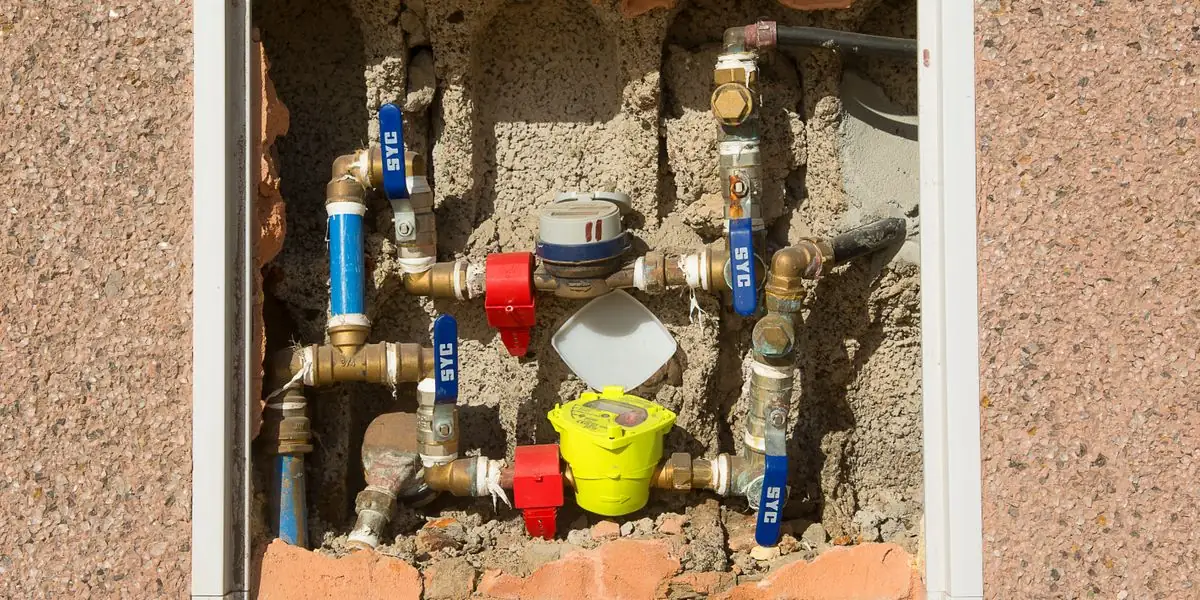
Turn off every tap and water-using appliance, then check the water meter, normally by the front wall where the service enters. If the dial or digits keep moving, water is going somewhere. Toronto homeowners can also see their daily water use online through the City’s MyWaterToronto tool. Steady use overnight, while the house sleeps, is a strong hint of a leak, very often a running toilet.
How we find leaks
Acoustic listening
Pressurized water escaping a pipe makes a sound. Listening equipment helps us pinpoint it through floors and walls.
Thermal imaging
A thermal camera shows temperature differences, which is especially useful for hot water lines and in-floor heating.
Moisture mapping
Moisture meters trace how far the water has spread, so the repair and drying cover the right area.
Pressure testing
Isolating sections of the plumbing and watching for pressure loss tells us which run is leaking.
Leaks in condos, semis and row houses
In a condo, a leak in your suite can appear in the one below, and the reverse. In semis and row houses, water can travel along a shared wall. We document what we find so you, your neighbour, your property manager and the insurers all have a clear record of where the leak started.
After we find it
We repair the pipe or fixture, test it, and open only what the work requires. Drywall, tile and flooring can be left to your own contractor.
On the job, step by step
- 1Trace the run
Pipe followed from the meter, material identified at each change.
- 2Isolate the section
Nearest valve closed, line drained at the lowest tap.
- 3Cut and replace
Copper or PEX run in, transitions made with proper fittings.
- 4Gauge it
Pressure gauge on a hose bib, joints watched before walls close.
Questions we get about leak detection
Will a toilet that keeps running show up on my water bill?
Yes. A toilet that runs quietly all day wastes a lot of water and is one of the most common causes of a surprise bill. Add a little food dye to the tank; if colour shows up in the bowl with no flush, the flapper leaks.
Will you have to break open my walls?
Locating the leak first is what lets us keep openings small. Sometimes no opening is needed, for example when the leak is at a fixture connection.
Is leak detection covered by insurance?
Some policies cover the cost of finding the source of a covered water loss. Ask your insurer; we provide written findings for your claim.
Mystery water? Call to track it down.
A plumber answers day and night, and the call-out rate is quoted before anyone drives over.