Neighbourhoods
Plumber in Cabbagetown
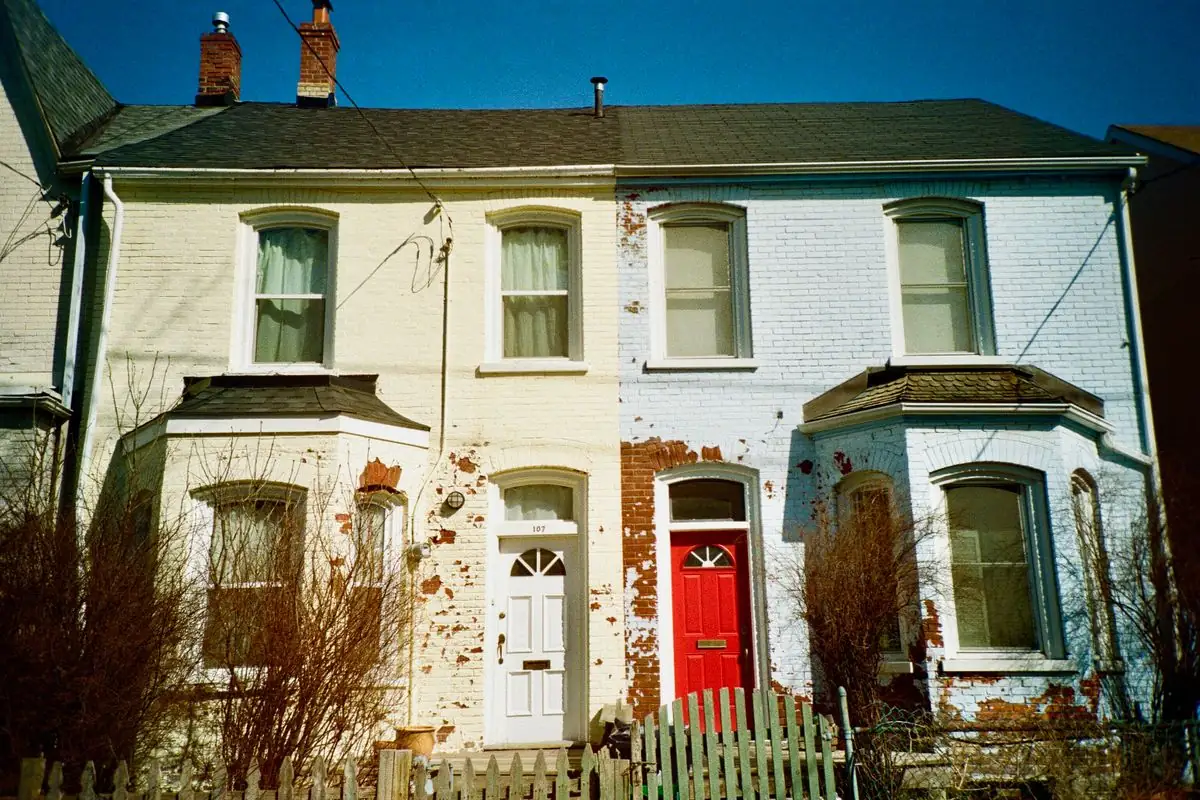
Cabbagetown has one of the largest stretches of preserved Victorian housing in North America. Beautiful outside, and inside, often a century of plumbing changes layered on top of each other.
or dial (365) 363-3352Answered day and night
- We know the pipes under Cabbagetown houses
- Cast-iron stacks, clay laterals and lead services
- Call-out rate quoted on the phone
- Parking and access planned before we arrive
A price before we startNothing cut or opened until you say yes.
- Licensed & insureddetails confirmed on the call
- Phones answered 24/7a person, not a queue
- Price before we startcall-out rate on the phone
- Old Toronto & East Yorkhouses, condos, businesses
Housing stock and plumbing in Cabbagetown
Most houses here are narrow brick rows and semis from the late 1800s, with bay-and-gable fronts, shallow basements and rear additions. Bathrooms were added long after the houses were built, often squeezed into a back bedroom with drains dropped through the kitchen ceiling. Many houses sit in a heritage conservation district, which shapes what can be changed on the outside.
What we usually open up on a visit
On a typical Cabbagetown call we start in the basement, where the cast-iron stack drops through a low ceiling and turns toward the front wall. The cleanout there is often painted shut or buried behind a later wall, so the first job is getting a wrench on it. Upstairs, bathrooms in rear additions tend to have long horizontal drains crossing the kitchen ceiling, and we find sagging hangers and old lead joints. We carry short sections of no-hub coupling and cast-iron cutters so a cracked piece can be cut out and replaced the same visit, without tearing out the whole stack.
Common problems we see here
- Cast-iron stacks cracked along the seams, hidden in walls between row houses
- Low-ceiling basements where drains hang in the way of finishing
- Kitchen drains with long, flat runs that clog regularly
- Lead closet bends under second-floor toilets
- Frozen pipes in rear additions on uninsulated crawlspaces
Basement flooding and sewer laterals
Laterals here are typically old clay tile running under the front walk to the street, and the mature trees along the lanes and streets send roots into the joints. Many basements are low, so the floor drain sits close to the sewer level. A backwater valve and a camera inspection of the lateral are both worth considering.
Water lines, lead and older pipes
Lead water services were the standard when these houses were built, and some remain. If your water service comes through the front wall as dull grey pipe with a bulging joint at the meter, call us to check it. We also replace galvanized supply lines that restrict pressure to the upper floors.
Streets and landmarks we cover
We work from Parliament Street east to the edge of the Don Valley and from Gerrard north to Bloor, including Carlton, Winchester, Sackville, Sumach and Metcalfe streets, around Riverdale Farm, Wellesley Park and the Necropolis.
Common questions
Do heritage rules affect plumbing work?
Interior plumbing is generally not affected. Exterior changes may need heritage review, so check with the city before altering a front.
Can you work on shared walls between row houses?
Yes. We take extra care with shared stacks and party walls and let neighbours know when their side could be affected.
Water where it shouldn’t be? Call now.
A plumber answers day and night, and the call-out rate is quoted before anyone drives over.