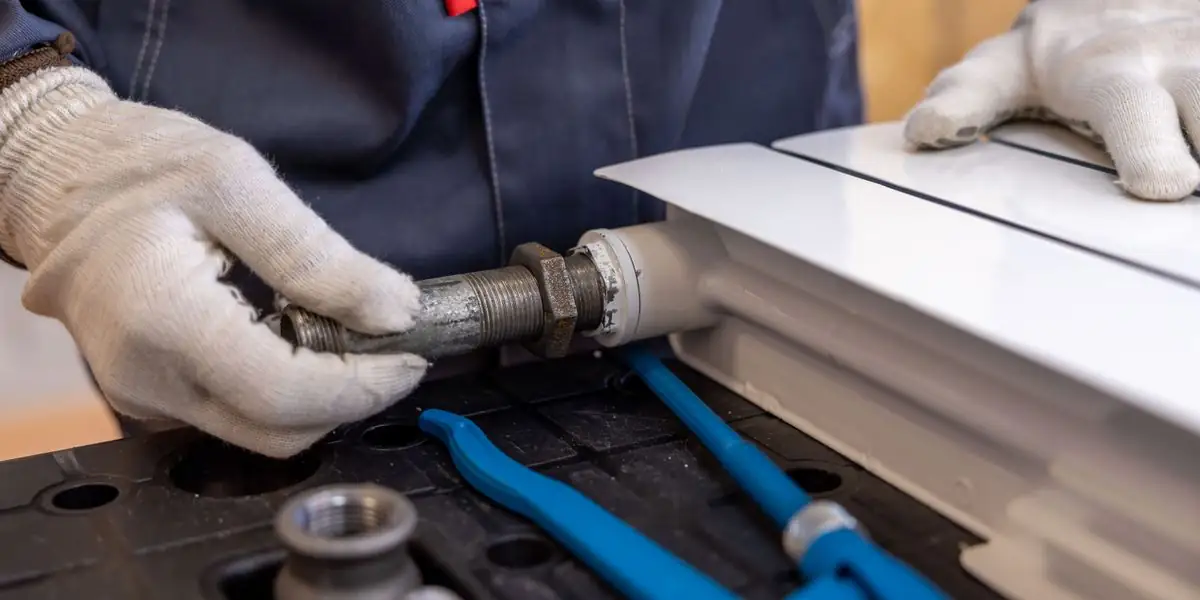
Emergency service
Emergency plumber in Toronto
When water is dripping from the ceiling or rising out of a floor drain, you need a plumber on the phone now, and a clear idea of what to do in the next ten minutes. Here is both.
or dial (365) 363-3352Answered day and night
- A burst or split pipe, often after a cold snap, in an outside wall, a garage…
- Sewage coming up through a basement floor drain or the lowest toilet or shower in…
- A water heater weeping from its own steel shell, not just from a fitting.
- No water anywhere in the house, once you’ve checked it isn’t the whole street.
A price before we startNothing cut or opened until you say yes.
- Licensed & insureddetails confirmed on the call
- Phones answered 24/7a person, not a queue
- Price before we startcall-out rate on the phone
- Old Toronto & East Yorkhouses, condos, businesses
What counts as a plumbing emergency
If water is going somewhere it shouldn’t and you can’t stop it, treat it as an emergency. The calls we get most often:
- A burst or split pipe, often after a cold snap, in an outside wall, a garage ceiling or a crawlspace.
- Sewage coming up through a basement floor drain or the lowest toilet or shower in the house.
- A water heater weeping from its own steel shell, not just from a fitting.
- No water anywhere in the house, once you’ve checked it isn’t the whole street.
- A toilet or fixture overflowing that won’t stop when you close its shut-off valve.
Smell gas? That isn’t a plumbing call. Get outside first, then phone 911 or Enbridge Gas’s emergency number.
Signs you need emergency plumbing
- Water dripping from a ceiling or a pot light
- Sewage rising in a floor drain or basement shower
- A pipe spraying after a cold night
- The water heater shell is leaking
- No water anywhere in the house
What to do before we arrive
1. Shut off the water
Most Toronto houses keep this valve downstairs, on the foundation wall closest to the street, next to the water meter, at the spot where the incoming line pierces the wall. Turn it clockwise until it stops. Old valves can be stiff; steady pressure works better than force. In a condo, every suite normally gets its own isolation valves, usually tucked behind a small hatch beside the washer or inside a closet. If you can’t find yours, call security or the concierge. They can isolate the riser.
2. Turn off the water heater
On a gas tank, set the control to “Pilot” or “Vacation”. On an electric tank, switch off its breaker. This protects the heater if the supply stays off for a while.
3. Protect what you can
Move valuables, electronics and boxes off the basement floor. Keep well away from any water that reaches the panel or wall outlets.
4. Take a few photos
Photos of the damage and the source help your insurance claim, and they help us bring the right parts.
City side or your side?
In Toronto, homeowners are responsible for the water service pipe and the sewer connection on their own property. The City looks after the parts under the road and up to the property line. If your whole street has no water, or water is bubbling out of the road or boulevard, call 311 first. That’s Toronto Water’s job, and it costs you nothing. If it’s only your house, the problem is usually on your side, and that’s where we come in.
A blocked sewer connection can sit on either side of the line. We run a camera through the pipe to find exactly where the problem is. If it’s on City property, the recording is yours, so you can request a City investigation through 311.
How an emergency call works
- You call and talk to someone who asks what’s happening and walks you through shutting things off.
- We tell you the call-out rate before anyone is sent.
- The plumber finds the cause, explains it and gives you a price before starting the repair.
- We stop the water and make things safe first. If a permanent repair needs parts or a permit, we book it as soon as possible.
On the job, step by step
- 1Kill the supply
Main valve closed, heater set to pilot, breaker off if water is near wiring.
- 2Find the split
Ceiling tiles or drywall opened where the stain is widest, insulation pulled back.
- 3Cut out the bad length
Pipe cut square past the damage, ends deburred and dried.
- 4Couple and pressure up
Repair coupling or soldered sleeve, then the main reopened slowly while we watch every joint.
Questions we get about emergency plumbing
Do you charge more at night or on weekends?
After-hours rates are higher than daytime rates. We tell you the exact call-out rate on the phone, before anyone is dispatched, so there are no surprises.
Should I call my insurance company first?
Stop the water first, then call us, then your insurer. Insurers generally want to see that you acted quickly to limit the damage. Keep photos and receipts; we can give you a written description of the cause and the repair for your claim.
How fast can you get here?
It depends on the time of day, traffic and where you are in the city. We give you an honest arrival window when you call and phone ahead when the plumber is on the way.
Water where it shouldn’t be? Call now.
A plumber answers day and night, and the call-out rate is quoted before anyone drives over.